Personality Assessments for Team Building: A Practical Guide
By Synopsix · September 3, 2026 · 16 min read
A delivery team can look healthy on paper and still miss its goals. A product manager may have strong reviews, an engineer may consistently produce high-quality work, and a designer may be highly regarded by stakeholders, yet the group keeps missing commitments because people disagree about speed, detail, challenge, and decision ownership. Personality assessments for team building can help HR and managers see those working patterns, provided the results become a starting point for better team design rather than a label attached to each employee.
Why Teams Stumble and What Personality Data Can Reveal
A software delivery team had missed two consecutive sprint goals. Its members weren't underperforming individually. Their reviews described them as capable, reliable, and committed. The problem appeared during collaboration: several contributors avoided direct disagreement, while the director pushed for rapid iteration and expected concerns to surface immediately.
The manager initially treated the issue as an accountability problem. More status meetings didn't help. The conflict-avoidant contributors became quieter, the director became more forceful, and decisions looked faster in the room than they were in practice. Work returned to the team with hidden reservations, unclear assumptions, and late-stage rework.
A facilitated personality assessment changed the conversation. The results didn't prove that anyone was “the problem.” They gave the team a neutral way to discuss preferences around pace, challenge, structure, sociability, and follow-through. The group then created a written rule for raising risks, separated brainstorming from commitment decisions, and assigned one person to document the final call.
From hidden friction to observable behavior
The useful question isn't, “Which personality is best?” It's, “What working tendencies are interacting, and what does the team need to do differently?”
Personality data can reveal patterns such as:
The history of workplace personality testing helps explain why these tools still appear in organizational practice. In 1917, Robert S. Woodworth developed the Personal Data Sheet to identify soldiers prone to nervous breakdowns during World War I. Soon afterward, competing tests were adapted for industry, where employers used them to screen applicants for maladjustment and workplace disturbances, as documented in this [historical account of personality testing](https://pubmed.ncbi.nlm.nih.gov/19048975/).
> Practical rule: Treat an assessment as diagnostic evidence. Confirm it against observed behavior, role demands, and the employee's own interpretation before changing team design.
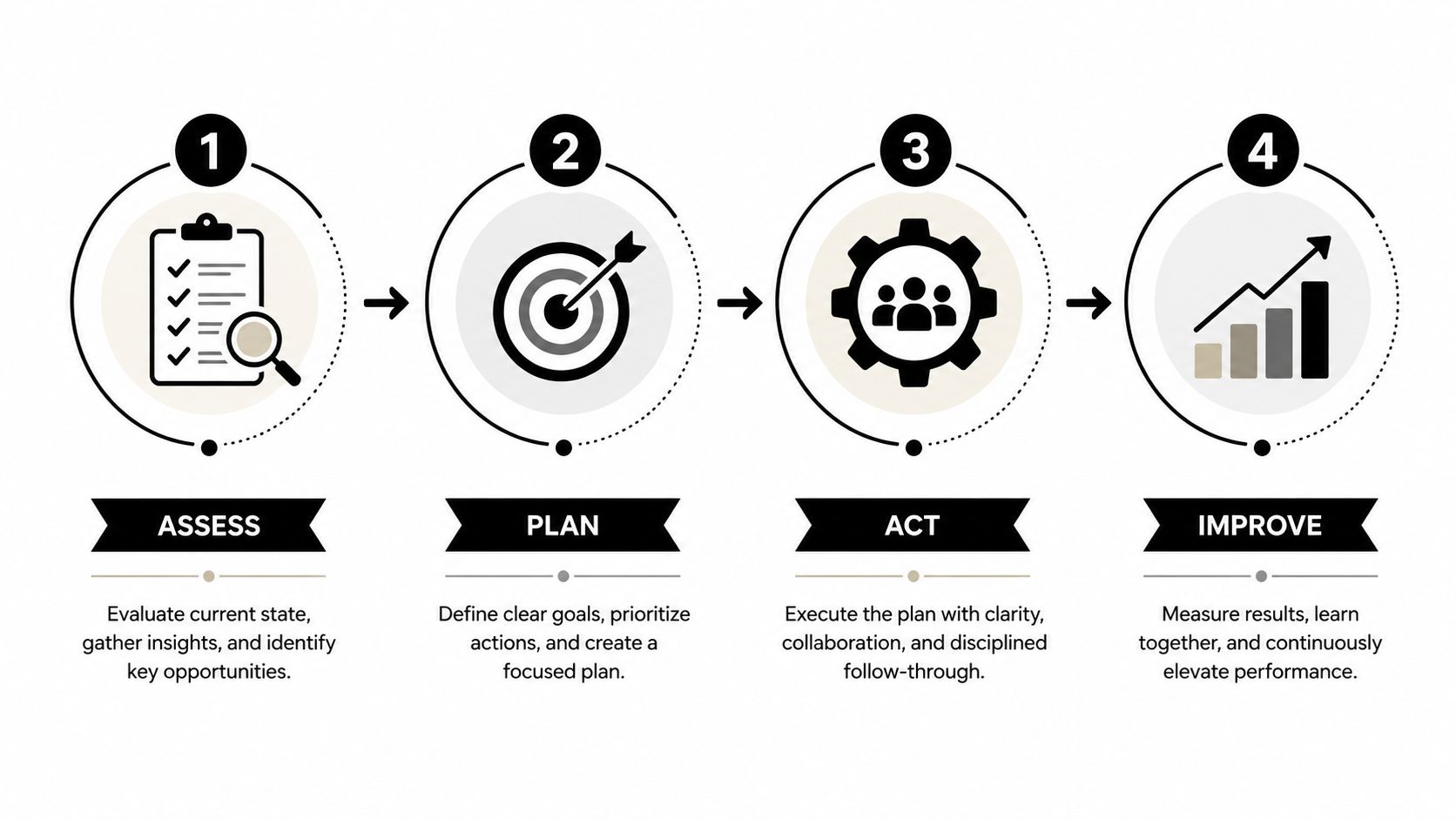
The operational loop is straightforward: choose a model for a defined question, administer it responsibly, interpret it with a facilitator, test the implications in real work, and review the outcome. That workflow keeps personality assessments from becoming an entertaining report that nobody uses.
What Personality Assessments Actually Measure
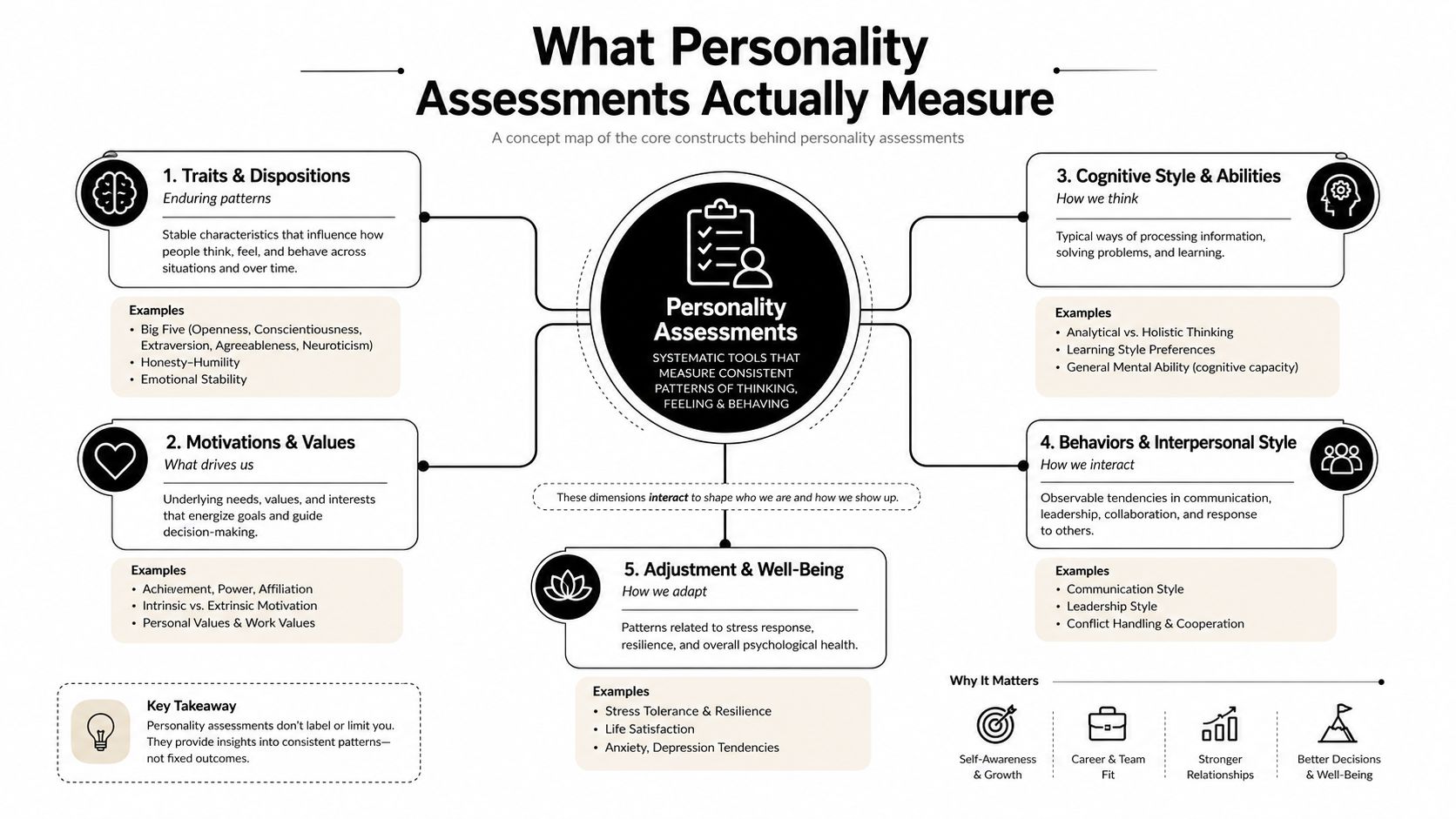
A personality assessment is a structured instrument that describes relatively stable traits, motivations, or behavioral tendencies. It may use self-report questions, observer input, or both. The result isn't a complete account of a person's identity. It's a model that helps a team discuss how someone may typically approach communication, uncertainty, planning, social interaction, or pressure.
The distinction between traits and states matters. A trait is a recurring pattern, such as a preference for planning before acting. A state is behavior in a particular situation, such as becoming unusually quiet during a meeting after receiving difficult news. Most workplace assessments target traits because team design needs information that remains useful across recurring tasks, while still recognizing that people adapt to context.
The Big Five in plain language
The Big Five framework became a dominant scientific structure because researchers repeatedly identified broad trait dimensions through factor analysis, language-based item construction, and cross-cultural research. Its dimensions are commonly described as:
These dimensions don't tell a manager who should lead a project. They help translate tendencies into questions about work. For example, two candidates may have equal experience in product operations, but one may show stronger openness and lower conscientiousness, while the other shows the reverse. The first might generate novel process improvements and tolerate ambiguity more easily. The second might excel at sequencing dependencies, maintaining controls, and closing recurring tasks.
Neither profile is automatically superior. The right choice depends on the role's demands and the support available. A discovery phase may benefit from exploration, while a compliance-heavy rollout may require disciplined execution.
Use traits as hypotheses, not verdicts
A result should lead to a useful prompt: “What helps you contribute in this setting?” It shouldn't lead to a fixed conclusion such as “You aren't suited to client work.”
For team building, the best interpretation connects a trait pattern to a specific behavior, a work requirement, and an experiment. If someone prefers reflection, the team might provide pre-reading before high-stakes meetings. If someone tends to move quickly, the team might require a short risk review before commitment. The assessment supplies language, while the team decides what behavior supports the work.
The Major Assessment Types Compared
HR teams commonly encounter several assessment families, but they don't answer the same question. A tool designed for fast communication workshops shouldn't automatically become a hiring filter. Before purchasing, define whether the decision concerns role fit, collaboration habits, strengths, stress patterns, or reasoning.
| Assessment Family | What It Measures | Scoring Model | Time to Complete | Best Team-Building Use | Key Limitation | |---|---|---|---|---|---| | Big Five | Broad personality traits | Continuous trait dimensions | Varies by provider | Role fit, team composition, development | Moderate predictive power and interpretation complexity | | DISC | Observable communication and behavior styles | Four style dimensions or blends | Usually brief | Communication, feedback, conflict workshops | Can become rigid or overly simplified | | MBTI | Preferences around information, decisions, energy, and organization | Sixteen type categories | Usually moderate | Onboarding, meeting norms, decision conversations | Weaker predictive validity and category rigidity | | Strengths-based tools, such as CliftonStrengths | Dominant talents and energizing patterns | Ranked or themed strengths | Varies by provider | Delegation, role design, leadership development | Strengths don't replace skills or accountability | | Cognitive assessments, such as Watson-Glaser or Raven's | Reasoning and problem-solving | Ability scores or subscale profiles | Varies by provider | Project staffing alongside personality data | Measures cognition, not personality or motivation |
Big Five measures continuous traits, which makes it useful when leaders need nuanced comparisons rather than fixed categories. DISC offers a faster shared language for directness, pace, steadiness, and detail. MBTI remains popular for onboarding because teams can quickly discuss preferences, but its categories shouldn't be treated as stable measures of capability.
Strengths-based tools help answer, “What kind of contribution energizes this person?” That can improve delegation, but a preferred strength doesn't excuse missing a core requirement. Cognitive assessments add information about reasoning, especially when a project depends on analysis, judgment, or complex problem solving. They should be interpreted alongside personality, experience, and evidence of behavior.
For teams exploring motivational frameworks, [high-achiever enneagram insights by Baz Porter](https://bazporter.com/post/enneagram-types-description) can provide useful context for a discussion about stress responses and interpersonal patterns. It shouldn't replace a validated, job-relevant assessment when the organization is making a consequential employment decision.
> Selection principle: Pick the instrument for the decision you need to improve, not for the framework your vendor explains most enthusiastically.
HR teams comparing options can also use this [guide to psychometric test types](https://synopsix.ai/blog/psychometric-test-types) to distinguish personality, behavioral, strengths, and cognitive instruments before selecting a provider.
How Well Personality Predicts Team Performance
Personality data can inform team decisions, but it can't predict a person's entire performance record. The [American Psychological Association's overview of job performance](https://www.apa.org/topics/healthy-workplaces/job-performance) describes general cognitive ability and conscientiousness as relevant to performance in virtually every job studied. Measuring those two variables alone can account for 20% to 30% of the variance in job performance, with higher predictability in more complex jobs.
Personality contributes useful information, but the relationship is moderate. A 2021 meta-analysis reported predictive validity for factor-level personality of up to .31, according to this [independent psychometrics review](https://www.alvalabs.io/blog/debunking-common-misconceptions-about-psychometric-assessments-in-recruitment). A broader review also concludes that personality can predict job performance, while predictive values remain moderate to low and conscientiousness is the most consistent Big Five predictor across jobs, as explained in this [review of personality, selection, and performance](https://research.vu.nl/ws/portalfiles/portal/278187338/Personality_Personnel_Selection_and_Job_Performance.pdf).
Why moderate relationships still matter
A moderate relationship can support better decisions across many roles, but it won't settle a single-team question by itself. A manager choosing between two experienced employees still needs work samples, structured interviews, role requirements, manager observations, and employee input.
The 2018 study of 220 people completing a creative team task adds an important warning. Extraversion, agreeableness, and conscientiousness showed curvilinear relationships with peer-rated contributions to teamwork. Performance improved up to a point, then declined at higher trait levels, rather than increasing endlessly with the trait score, as shown in the [peer-rated teamwork study](https://pmc.ncbi.nlm.nih.gov/articles/PMC6767192/).
| Construct | Job Performance | Team Performance | Leadership Emergence | |---|---|---|---| | Conscientiousness | Consistent predictor across jobs | Useful when paired with flexibility and clear ownership | Can support credibility and follow-through | | Extraversion | Context-dependent contribution | May help coordination, but excessive dominance can reduce input | May support visibility and assertive participation | | Agreeableness | Relevant, but not sufficient alone | Can support cooperation, while excessive harmony may suppress challenge | Helpful relationally, but leaders still need constructive dissent | | Openness | Role-dependent | Can support creativity, but too much exploration may delay closure | Useful in change and vision work | | General cognitive ability | Relevant across jobs, especially complex work | Helps with reasoning demands, but doesn't ensure collaboration | Supports analysis, not interpersonal trust |
A product team shouldn't remove a highly conscientious planner because the team wants more speed. It may pair that planner with an open-ended ideator, give the ideator discovery ownership, and give the planner responsibility for dependencies and risk checks. Complementarity matters more than maximizing one score across the whole group.
Fairness, Bias, and the Neurodivergence Question
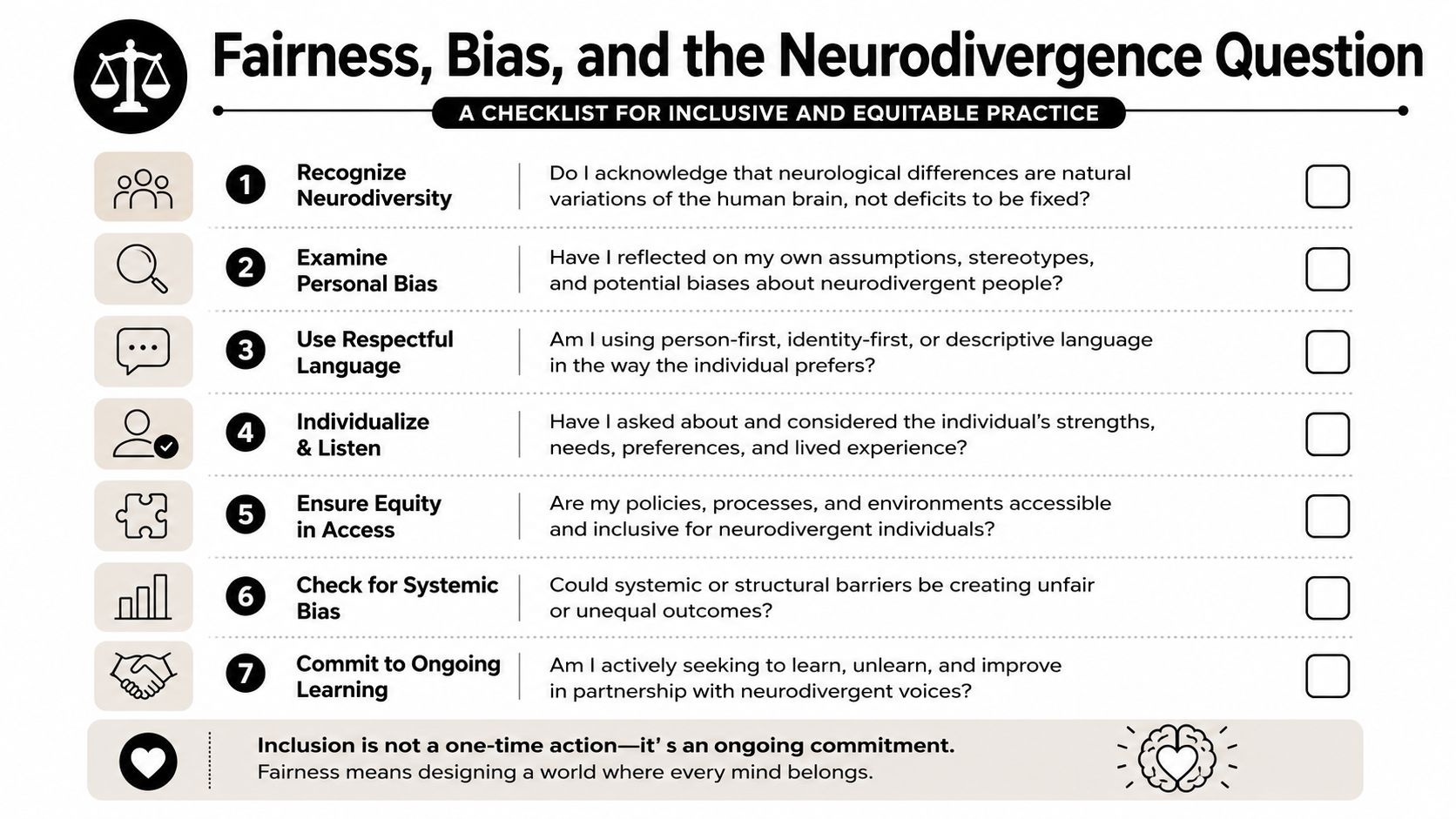
Personality assessments can create unfair outcomes when organizations treat conventional communication as evidence of capability. Standard instruments may reward rapid verbal responses, visible sociability, or culturally familiar forms of self-presentation. Candidates may also answer strategically, interpret translated items differently, or choose socially desirable responses.
The risk is especially important for neurodivergent employees. Autistic, ADHD, and dyslexic people may respond atypically to assessments built around neurotypical communication and attention norms. A result can then be misread as “low fit” when the actual issue lies in task design, sensory conditions, communication channels, or an inaccessible process.
Recent fairness and legal analysis highlights the concern that personality testing can disadvantage neurodivergent candidates and reinforce culture-fit bias, especially when organizations select people who resemble the existing team. The [guidance on fair and ethical use of personality tests](https://www.assesscandidates.com/fair-and-ethical-use-of-personality-tests-in-hiring/) also points to the need for validation, accessibility, reasonable accommodation, and careful scrutiny of how results affect hiring, promotion, and assignment decisions.
Safeguards that protect usefulness
Responsible use should include:
For the workshop itself, HR can draw on [practical debrief activities](https://pswevents.com/experiential-team-building-activities/) that focus on observable collaboration rather than forcing people to disclose private traits. Teams that want to strengthen the hiring side can also review this [guide to reducing hiring bias](https://synopsix.ai/blog/how-to-reduce-hiring-bias).
A Four-Step Path from Assessment to Team Action
A completed questionnaire changes nothing by itself. The value appears when HR converts the result into a testable change in team behavior.
Step one, select for the question
Start with the work problem. If the issue is role fit or hiring, a validated Big Five measure may be appropriate. If the issue is communication pace or feedback, DISC or a strengths tool may be easier to translate into working agreements. If a project depends on complex reasoning, add a cognitive assessment rather than expecting personality data to answer an ability question.
Write the decision in one sentence before selecting a provider: “We need to improve handoffs during product launches,” or “We need to understand whether this team has enough planning and exploration capacity.” That sentence prevents framework shopping.
Step two, administer with clarity
Choose a qualified provider and brief participants on purpose, data handling, confidentiality, and the limits of interpretation. Give employees enough time to answer thoughtfully. Rushing through an assessment during onboarding can turn a reflective exercise into a compliance task.
The administrator should explain that people aren't being asked to produce a preferred personality. Honest responses are more useful than answers designed to satisfy a manager.
Step three, interpret with a facilitator
A trained facilitator should debrief individuals before presenting team patterns. Each participant needs space to confirm what fits, challenge what doesn't, and describe the conditions that change their behavior.
Then map profiles against role demands and team composition. A high score isn't automatically a recommendation. Ask what the team overuses, what it lacks, and which work processes can compensate. HR teams looking for a deeper interpretation workflow can consult this [assessment interpretation resource](https://synopsix.ai/blog/assessment-interpretation).
Step four, act through simulations
Use a short simulation to confirm or challenge the profile:
1. Sprint planning: Observe who drives scope, tests risks, asks for detail, or avoids disagreement. 2. Conflict scenario: Watch how participants respond when priorities compete. 3. Cross-functional handoff: Examine how people clarify ownership, document decisions, and surface missing information.
Afterward, document role adjustments, mentoring pairings, meeting rituals, and decision rules. Revisit the changes after 90 days to determine whether the team is behaving differently, not merely discussing its results.
A practical debrief can sit alongside broader [HR employee development content](https://www.hrmanagement365.com/tag/employee-development/) when HR is connecting assessment insights to coaching, manager capability, and role development.
<iframe width="100%" style="aspect-ratio: 16 / 9;" src="https://www.youtube.com/embed/LlH2ymWbRTs" frameborder="0" allow="autoplay; encrypted-media" allowfullscreen></iframe>
Measuring Outcomes That Justify the Investment
HR leaders need to measure more than completion rates. A team can finish every assessment and still fail to improve its meetings, decisions, or handoffs. Build a measurement plan that connects the assessment workflow to the business problem without claiming that one instrument caused every cultural change.
Start with a 12-month baseline before rollout. Select leading indicators that show whether the process is being used and lagging indicators that show whether team outcomes are changing.
| Indicator Category | Specific Metrics | Cadence | Data Source | |---|---|---|---| | Leading | Assessment completion, facilitator hours, debrief participation, action-plan completion | Per cycle | Assessment platform, facilitator records, action plans | | Lagging | Mis-hire rate at 90 and 180 days, time-to-productivity | At defined checkpoints | Recruiting and performance systems | | Lagging | 360-review collaboration scores, eNPS for participating teams | Review or pulse cycle | Survey and feedback tools | | Operational | Handoff quality, decision rework, conflict escalation | Team or project review | Retrospectives, project records, manager logs |
A simple comparison can help isolate contribution. Compare teams that participate with similar teams that don't, while documenting differences in leadership, workload, project type, and staffing. The comparison won't create perfect causality, but it can reveal whether changes are concentrated where the intervention occurred.
Report a blended value story
A useful business view combines retention savings, productivity gains, and reduced conflict-escalation costs. Keep the assumptions visible. If productivity improves after a new manager arrives, a major process change launches, and an assessment workshop occurs, don't attribute the full effect to the assessment.
> Measurement discipline: Report what changed, what else changed at the same time, and which part of the evidence is still uncertain.
The strongest program reports both human and operational outcomes. For example, improved collaboration feedback matters more when paired with clearer ownership, fewer repeated decisions, or faster movement from onboarding to productive contribution.
Choosing Your Approach and What Comes Next
Before buying an assessment, an HR leader should be able to answer five questions:
1. What team problem are we solving? Name the behavior, such as unclear handoffs, weak challenge, slow decisions, or overloaded ownership. 2. What decision will the results inform? Separate hiring, development, coaching, and team design. 3. What validity evidence supports the instrument? Look for job relevance, reliability, accessibility, and evidence appropriate to the intended use. 4. Who will facilitate interpretation? A report without a capable debrief can encourage stereotyping and false certainty. 5. How will we measure change? Define baseline data, leading indicators, lagging outcomes, and a review date before administration.
The next generation of people analytics will make this workflow more continuous. AI-assisted interpretation can summarize patterns, people-intelligence platforms can connect assessments to roles and teams, and longitudinal tracking can show how working tendencies interact with changing demands. Those capabilities may reduce administrative effort, but they won't remove the need for human judgment.
Algorithmic summaries still need review for fairness, cultural assumptions, neurodivergence, privacy, and culture-fit bias. A system can identify a pattern without understanding whether the pattern reflects capability, inaccessible work design, unequal opportunity, or a manager's preference for familiar behavior.
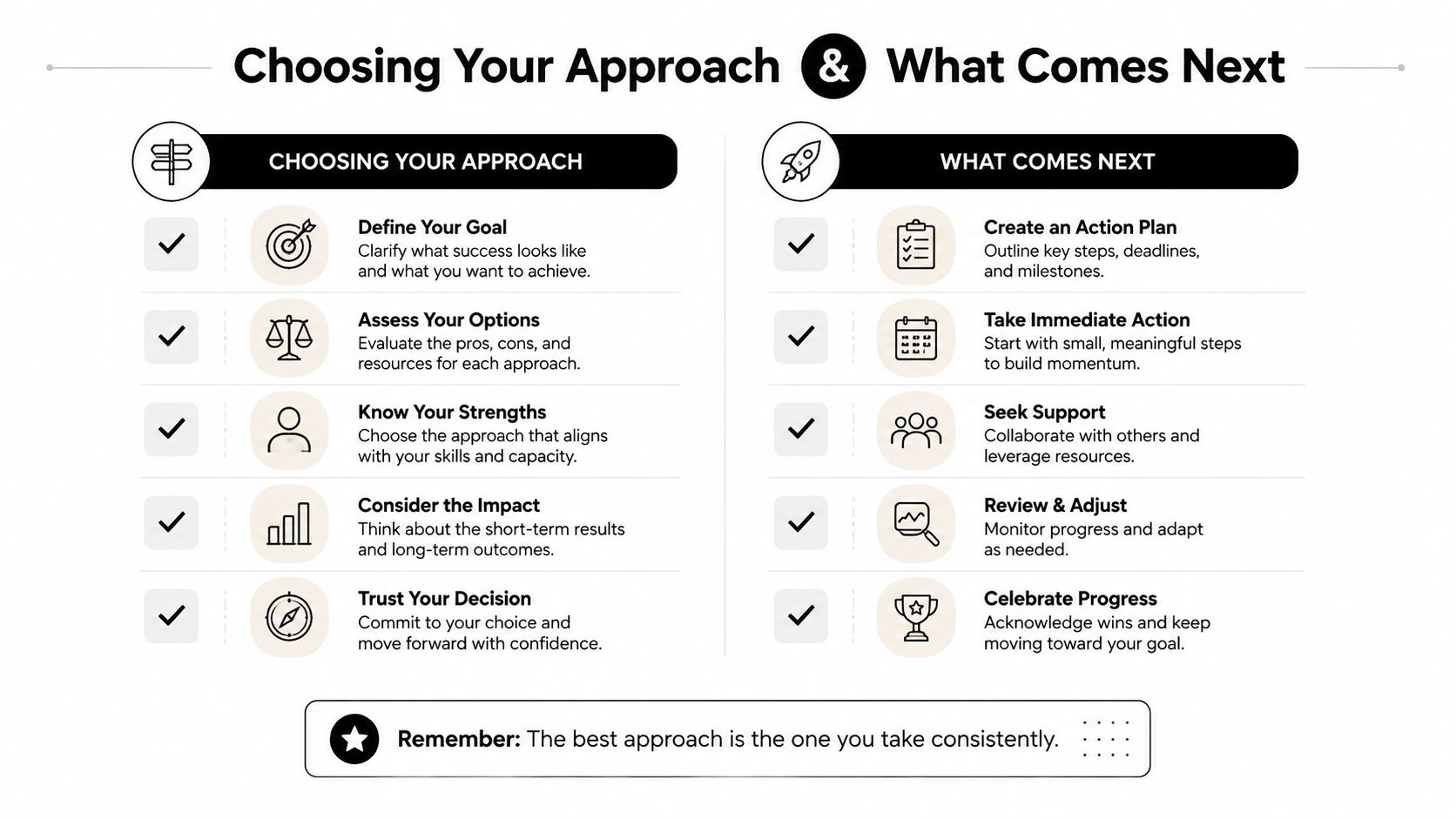
The practical standard is simple: choose a defensible instrument, interpret it carefully, convert insights into observable team agreements, and measure whether those agreements improve the work. Personality assessments for team building are most valuable as workflow artifacts, not personality verdicts.
---
Synopsix turns scientifically validated behavioral assessments into practical, AI-powered guidance for hiring, team design, and talent development. Visit [Synopsix](https://synopsix.ai) to explore assessment profiles, predictive simulations, compatibility analysis, and development plans that help your HR team move from psychometric data to better people decisions.